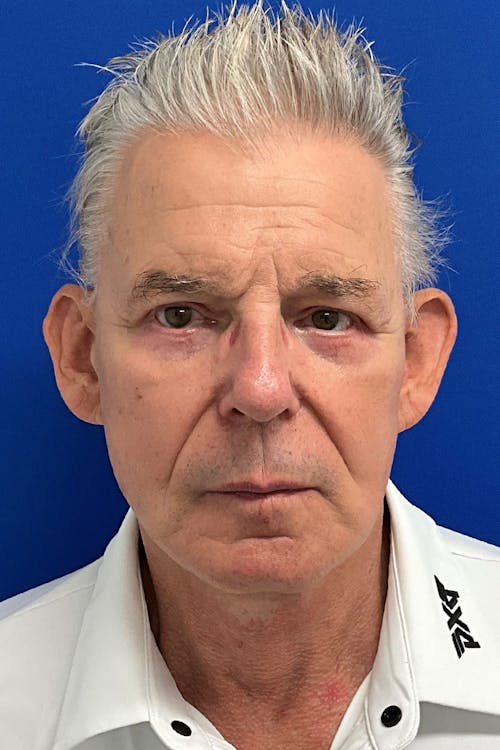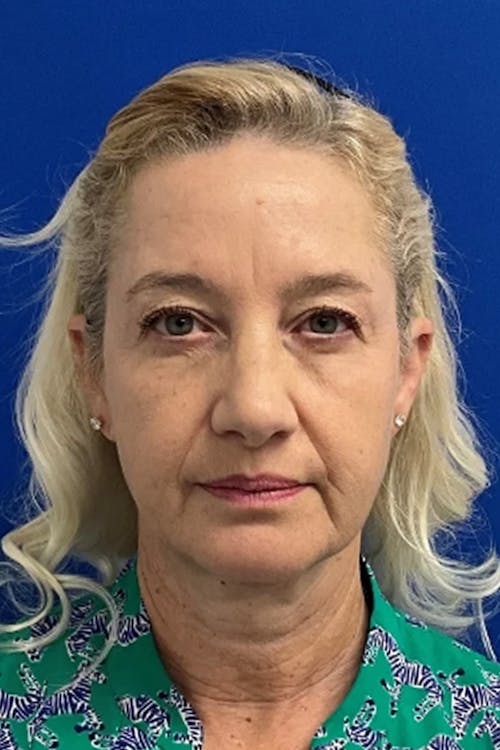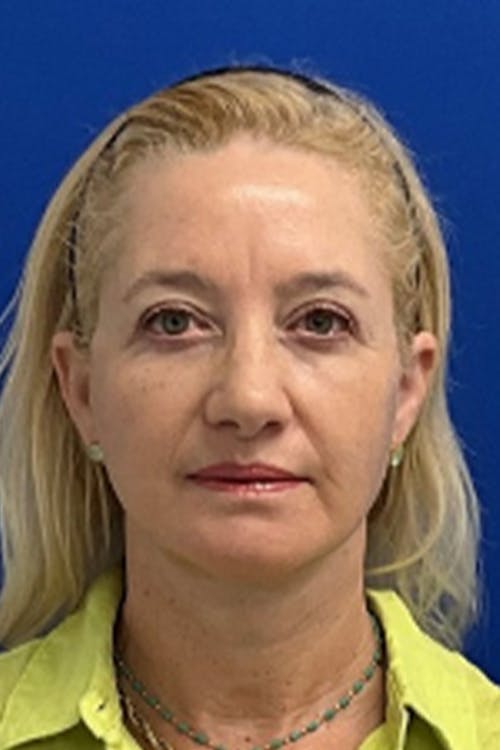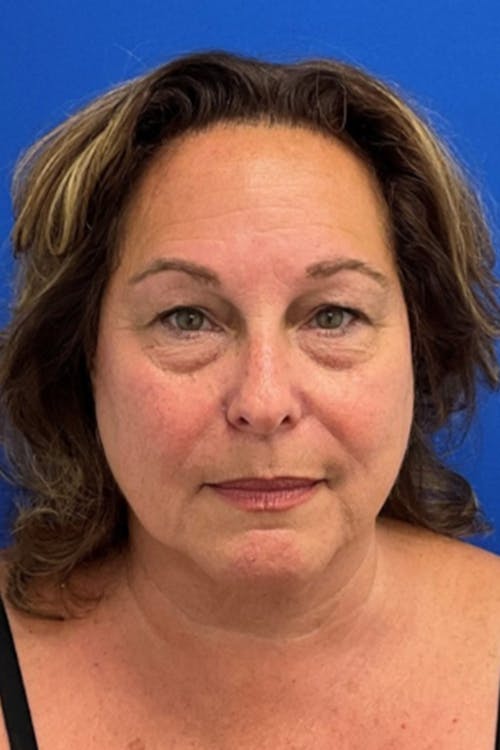
World-class facelift experience

With an uncompromising commitment to safety, all facelift procedures are performed in a modern hospital-based facility with expert staff and board-certified anesthesiologists. Whether you are coming from out of town or are local to Palm Beach, we provide an individualized patient journey with world-class concierge care from the initial encounter through perioperative care, recovery, and postoperative follow-up.

Background image

Excellence in technique What is a Facelift in Palm Beach and West Palm Beach

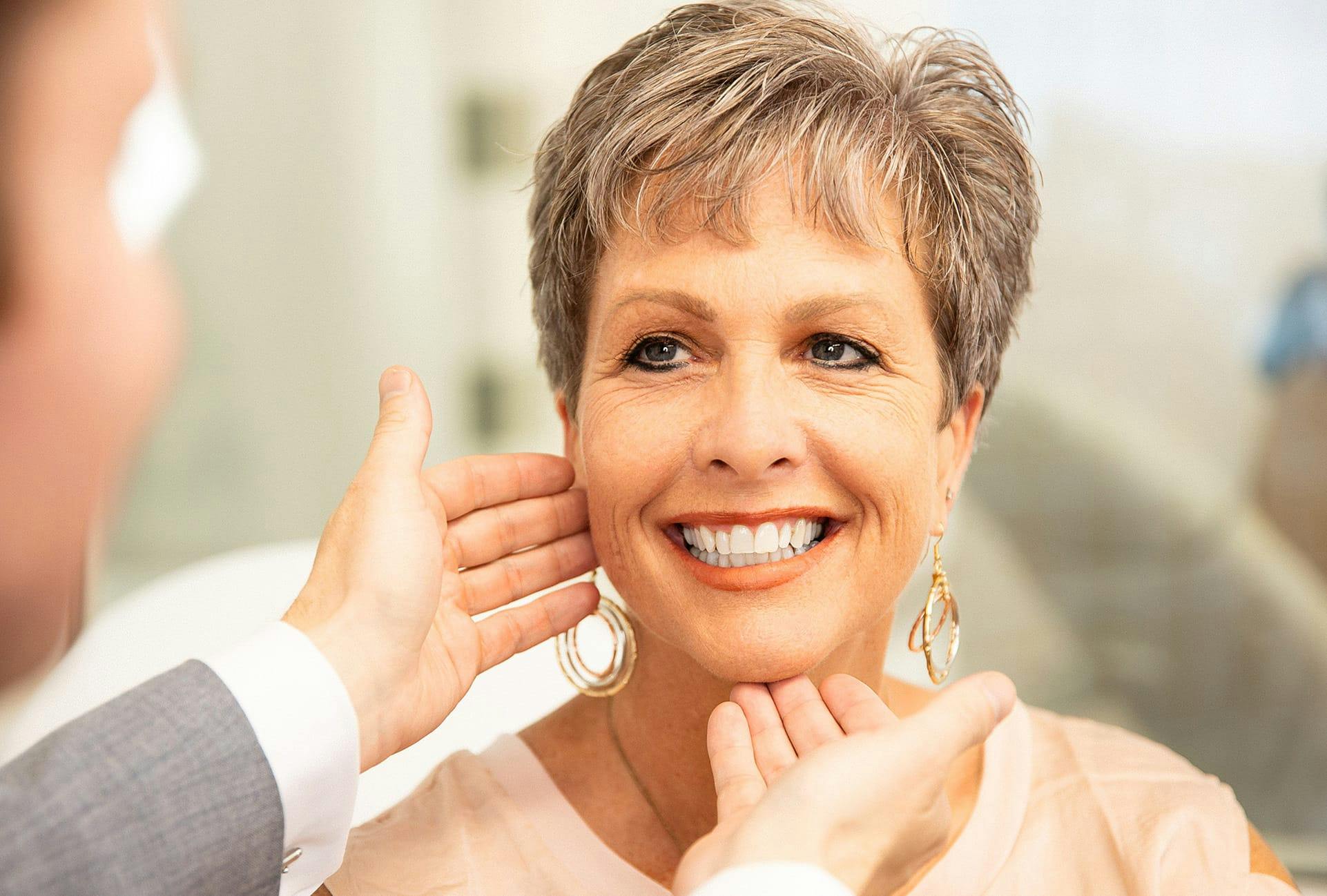
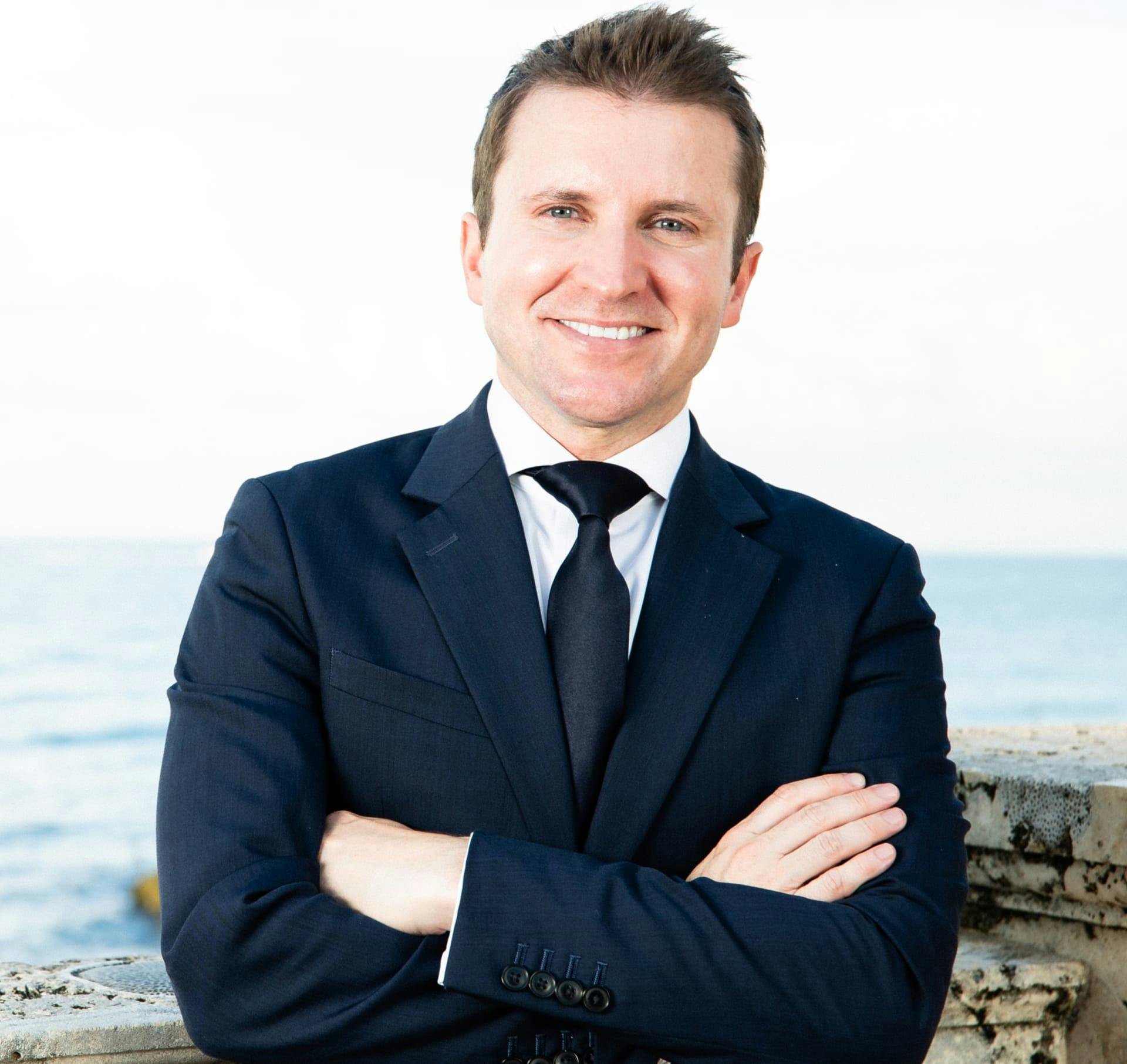
A facelift, or rhytidectomy, is a surgical procedure designed to reduce visible signs of aging of the face and upper neck. The procedure involves lifting and re-supporting sagging facial tissues to restore a natural, refreshed facial appearance. As a leader in the field of plastic surgery, Edward H. Davidson, MD, FACS, FAAP, brings his extensive expertise as a craniomaxillofacial plastic surgeon to every facelift procedure at the Palm Beach Plastic Surgery Institute. With a specialization in cosmetic and corrective surgery of the face, Dr. Davidson ensures each facelift is meticulously tailored to meet his patients' unique needs and aesthetic goals. Rather than focusing on a particular technique, Dr. Davidson creates an individualized procedure for each patient based on their specific anatomy, concerns and goals. This may be deep plane “extended SMAS” or “high SMAS” techniques or through “SMAS plication,” depending on the patient’s needs. This also may be a full, mid, mini or lower facelift, again depending on the individualized plan.


Extended SMAS, High SMAS, and SMAS Plication: What the Terms Mean

  • Deep plane: Releases and repositions the SMAS and overlying skin as a single unit, lifting deeper facial ligaments for a longer-lasting result in patients with more significant midface descent.
  • Extended SMAS: Widens the standard SMAS dissection further toward the midface and nasolabial fold, giving more lift to the cheek without the full deep-plane release.
  • High SMAS: Raises the vector of the SMAS lift higher on the face, targeting cheek volume and the nasolabial fold in patients whose main concern is midface sagging rather than the jawline.
  • SMAS plication: Folds and sutures the SMAS layer without cutting it, a less invasive option suited to patients with milder laxity or a shorter desired recovery.

Dr. Davidson selects among these based on each patient's anatomy and goals rather than defaulting to one technique. Published comparisons of deep plane and SMAS approaches show both achieve strong outcomes when matched to the right candidate.

Schedule a Consultation

Contact Us Today
Contact us media

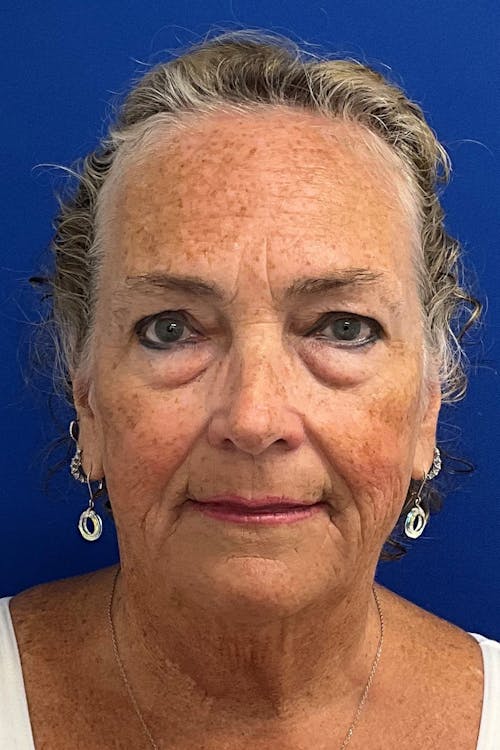
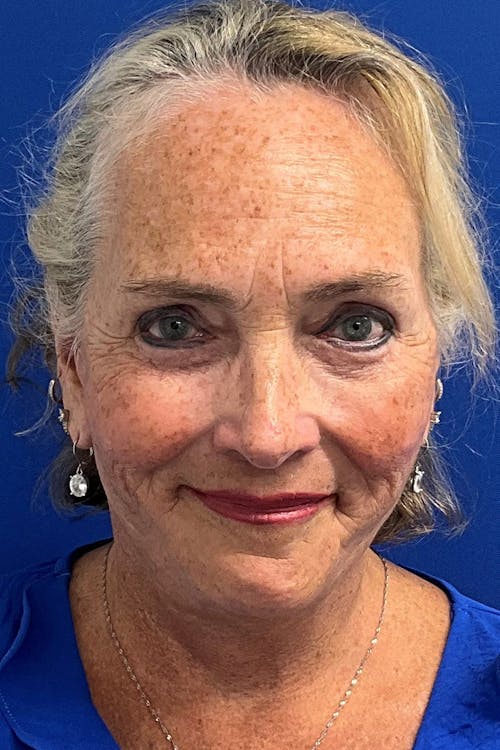
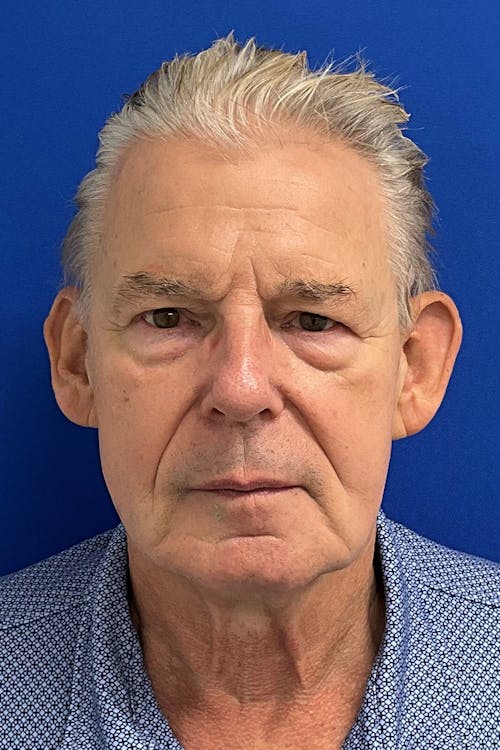
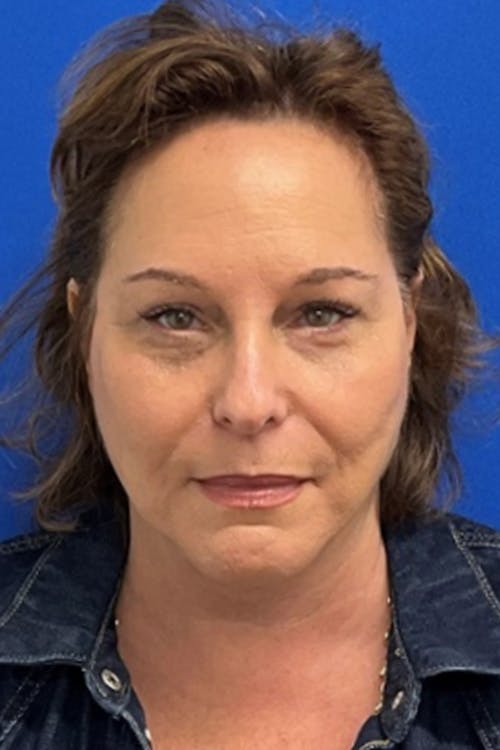
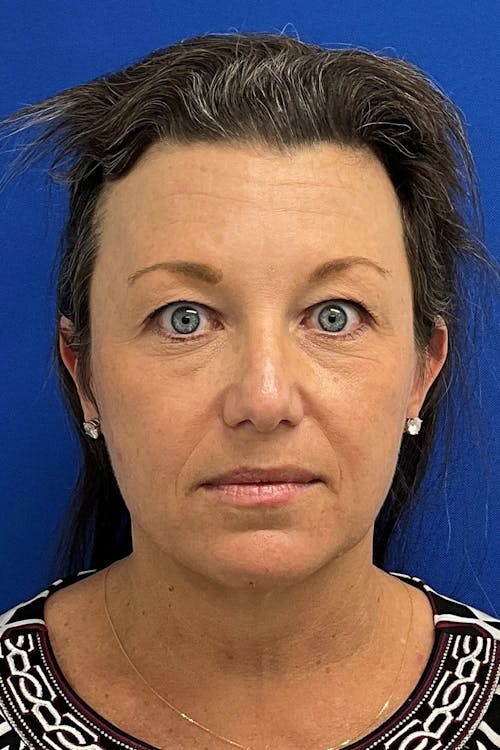
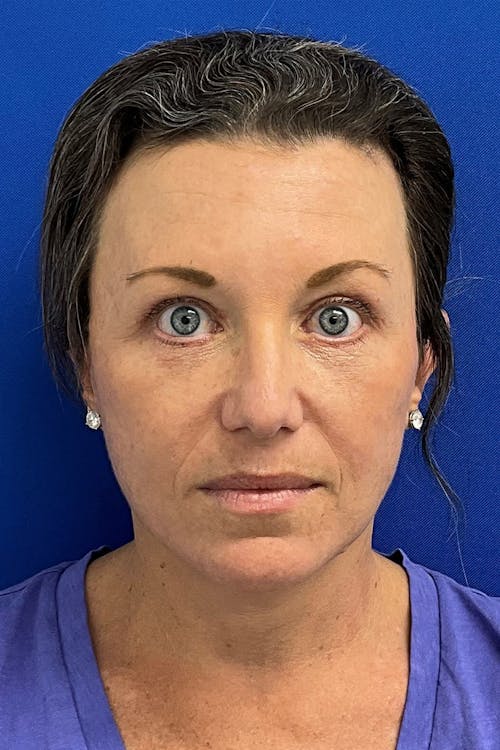
Facelift Before & After

View Gallery

Dr. Davidson has a keen eye for the face. When I leave his office, I feel 10 years younger!! I love my results ...!

Background image

Types of Facelift in Palm Beach and West Palm Beach

Full facelift

The traditional full facelift addresses signs of aging across the entire face, from the forehead to the neck, typically through a SMAS or deep-plane dissection.

Mid-facelift

Focusing on the middle third of the face, a mid-facelift lifts the SMAS layer of the cheeks to the upper lip, reducing nasolabial folds and enhancing overall contour.

Mini facelift

Also known as a "mini lift" or "short scar facelift," this less invasive option uses a limited SMAS plication to target mild to moderate signs of aging around the mid-face and jawline.

Lower facelift

A lower facelift addresses aging from the mid-face down to the neck through a SMAS or deep-plane lift focused on jowls, marionette lines, and sagging skin around the chin and neck.

Neck lift

While not a facelift in the traditional sense, a neck lift repositions the platysma muscle and removes excess skin and fat, often performed alongside facelift surgery for a harmonious result.

Background media

Comparing Facelift Techniques

Technique

What It Addresses

Typical Candidate

Published Longevity

Downtime

Full facelift

Forehead to neck

Moderate-to-significant aging across the full face

~12 years for a well-performed SMAS-flap lift (source)

2–3 weeks before returning to social activity

Mid-facelift

Cheeks and nasolabial folds

Midface sagging with a strong jawline

Similar range to full SMAS lift when combined with cheek repositioning

1–2 weeks

Mini facelift

Mild-to-moderate jawline and mid-face laxity

Earlier-stage aging seeking a shorter recovery

Shorter than a full SMAS or deep-plane lift given the more limited dissection

1–2 weeks

Lower facelift

Jowls, marionette lines, chin/neck laxity

Jowling with a well-preserved upper face

Comparable to full facelift when SMAS or deep-plane technique is used

2–3 weeks

Neck lift

Platysmal banding, submental fullness

Neck laxity with less midface concern

Durable when combined with platysma repair

1–2 weeks

A systematic review comparing deep plane and SMAS facelift techniques found both approaches deliver strong, lasting results — the deciding factor is which anatomy and goals each patient brings to the table.

Our goal is to restore your natural, youthful self by correcting the structural changes that happen with time. We focus on subtle, seamless refinements that preserve your identity, so you look like a younger, refreshed version of yourself, never changed or overdone.

Do I Need a Facelift, a Neck Lift, or Both?

The answer depends on where your aging is concentrated, not on which procedure sounds more familiar. A facelift addresses jowling, midface descent, and deep nasolabial folds, the changes that happen above the jawline. A neck lift targets platysmal banding, submental fullness, and a blunted cervicomental angle, the changes that happen below it.

Many patients have both. Neck lifts, forehead lifts, eyelid surgery, and facelifts all increased in 2025, reflecting how often these procedures are staged or combined rather than chosen in isolation. During your consultation, Dr. Davidson will examine your specific findings, jowl severity, neck banding, skin quality, and the angle beneath your chin, to recommend whether a facelift, neck lift, submental liposuction, or a combination will best meet your goals.

Logo media
Banner media

Facelift Post-Op

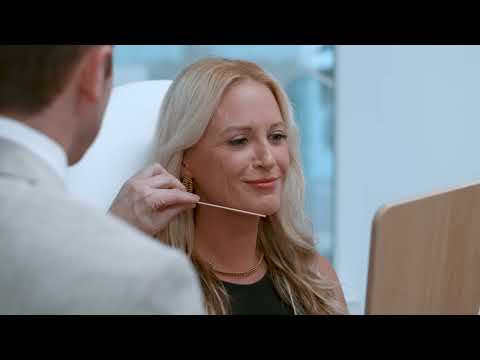
In this video, Dr. Davidson walks patients through what to expect in the days following facelift surgery: managing initial swelling and bruising, caring for incisions, and recognizing the difference between normal post-op discomfort and something that warrants a call to our team. He emphasizes that most patients look clearly refreshed by three to four weeks, the point at which surgery becomes socially undetectable for most people, while final results continue to settle over the following months. Patients traveling from out of town for surgery can review this video ahead of their procedure to plan their stay accordingly, whether that means a short local recovery period or a longer window before returning home.

Facelift Postop Experience

Who is a candidate?

Ideal candidates for our facelift in Palm Beach and West Palm Beach are individuals who are in good overall health, have realistic expectations, show signs of facial aging, and want to look younger and more vital. A thorough consultation with Dr. Davidson will determine if a facelift is the right approach in your case. The facial aging issues that can be resolved in a custom facelift surgery include:

  • Smoothing facial lines and creases
  • Restoring youthful definition at the jawline
  • Removing sagging jowls
  • Lifting sagging cheeks
  • Addressing visible chin wrinkles
  • Smoothing away “marionette lines”
  • Redefining the junction between the face and the neck

Contact Us Today

Background image

What are the benefits of a facelift at our practice?

West Palm Beach facelift candidates can hope to benefit from a refreshed, youthful appearance while maintaining a natural look. Patients often experience:

  • Rejuvenation: Achieve a more youthful, revitalized appearance – that looks like you.
  • Long-lasting results: Enjoy long-term results, turning back the clock on your appearance.
  • Increased confidence: Feel more confident in social, business, or personal interactions.
  • Natural appearance: With Dr. Davidson’s tailored approach, results look natural, not “pulled” or “tight.”

How Much Does a Facelift Cost?

Facelift surgery starts at $30,000. This includes anesthesia, the surgeon’s fee, facility fees, and all pre- and post-op care. Because each procedure is fully customized, pricing may vary depending on technique, complexity, and whether additional procedures are performed. Come in for a consultation to receive a personalized quote.

Banner media

Personalized Procedures

Dr. Davidson discusses his approach to cosmetic surgery.

Cosmetic Facial Procedures at Palm Beach Facial Plastic Surgery Institute

Complementary procedures for enhanced results

As part of a comprehensive approach to facial rejuvenation that creates a natural youthful appearance, consideration of complementary procedures is tailored to meet the unique needs of each patient based on their specific anatomy, concerns, and goals.

  • Lip lift: A lip lift enhances shape and volume, reversing the age-related changes to the lips and complementing the youthful appearance achieved through a facelift.
  • Earlobe reduction or repair: Earlobe reduction can address elongated or stretched earlobes, adding the finishing touches to your rejuvenated appearance.
  • Brow lift: A brow lift addresses sagging eyebrows and forehead wrinkles, enhancing the results of your facelift.
  • Eyelid lift: An eyelid lift rejuvenates the area around the eyes, ensuring your eyes appear as youthful as the rest of your face.
  • Genioplasty: Chin recontouring is an important consideration in rejuvenating the lower face and neck, providing the underlying skeletal support to accentuate the soft tissue changes of a facelift.
  • Facial fat sculpturing: Fat grafting can restore volume and vitality to the face. Submental liposuction can remove excess fat from beneath the chin to restore a youthful, defined jawline. Buccal fat pad removal can reduce fullness in the lower cheeks for a more sculpted facial contour.

Your Recovery – What to Expect?

Your facelift in Palm Beach or West Palm Beach will be performed under general anesthesia, either as outpatient surgery with patients going home the same day, at a local luxury hotel under the care of our team nurse overnight, or as inpatient surgery with one night in a VIP hospital suite.

  • Days 1–3: Swelling and bruising are at their most noticeable; rest and head elevation are the priority.
  • Week 1: Bruising and swelling begin to visibly subside. Most patients take this week off work.
  • Week 2: Roughly half of the initial swelling has resolved. Many patients feel ready for low-key social activity.
  • Weeks 3–4: Remaining swelling continues to fade, and most patients look clearly refreshed and comfortable being seen socially.
  • Months 2–3: Final contours settle. We recommend planning three months ahead of any major event, such as a wedding or milestone trip.
  • Month 12: Incision scars reach full maturity.

According to ASPS, bruising typically peaks around days 3–4, with initial swelling and bruising largely resolved by two weeks and residual swelling fading over four to six weeks — consistent with the timeline above. Dr. Davidson and his team provide detailed aftercare instructions and are committed to supporting you throughout recovery to ensure a smooth, comfortable healing journey.

Banner media

What Are the Risks of a Facelift?

When performed by a specialized surgeon like Dr. Davidson, facelift surgery in Palm Beach or West Palm Beach is safe and highly predictable. However, like any major surgical procedure, it carries potential risks:

  • Hematoma: The most common post-facelift complication. Expanding hematoma occurs in roughly 1.8–2.0% of cases across pooled series and database review, and requires prompt evaluation. Dr. Davidson manages this risk through careful intraoperative blood pressure control, a structured post-op evaluation window, and immediate evacuation if a hematoma develops.
  • General Surgical Risks: Across an analysis of 11,300 facelift patients, the overall adverse-event rate was 5.1%, most commonly minor bleeding, infection, or reaction to anesthesia.
  • Temporary Numbness: Sensation changes around the ears, jawline, or cheeks, which typically resolve as nerves heal over time.
  • Facial Nerve Inflammation: Temporary muscle weakness in the lower face or lip, though permanent nerve injury is extremely rare.
  • Incision Scarring & Hair Thinning: Incisions are hidden within natural facial contours and hairlines, though temporary hair thinning near the temples or behind the ears can occur.
  • Skin Healing Delays: Wound healing can be slower along incision lines, particularly in patients with poor circulation or a history of smoking.

Performing every facelift in a hospital-based operating room is part of how Dr. Davidson manages these risks: facility type is an independent predictor of post-facelift hematoma risk, which is one reason our procedures take place in an accredited hospital setting rather than an office-based suite.

Logo media

Safety, Excellence, and Patient Satisfaction: Our Core Principles

At Palm Beach Plastic Surgery Institute, our commitment to safety, excellence, and patient satisfaction is unwavering.

  • Safety: We perform every facelift in an accredited, hospital-based operating room with board-certified anesthesiologists. Facility type is an independent predictor of hematoma risk, which is exactly why we don't perform major facial surgery in an office-based setting.
  • Excellence: Dr. Davidson is board-certified by the American Board of Plastic Surgery, fellowship-trained in craniomaxillofacial surgery at Johns Hopkins and the University of Maryland, and an active member of the American Society of Plastic Surgeons, the American Society of Maxillofacial Surgeons, and the International Society of Craniomaxillofacial Surgery. His full record of publications and lectures reflects over a decade of hospital-based plastic surgery experience.
  • Patient satisfaction: Our boutique concierge approach, from a dedicated care coordinator to private recovery accommodations, ensures a personalized experience from consultation through recovery.

The Aesthetic Society explains why board certification matters when choosing a facelift surgeon, and we encourage every prospective patient to verify any surgeon's credentials before committing to surgery.

Doctor media

Expert care tailored to you

Choosing your facelift surgery is a crucial step in your journey to rejuvenation. With Dr. Davidson’s expert guidance and the support of the entire Palm Beach Plastic Surgery Institute team, your facelift procedure will be customized to achieve your unique aesthetic goals while upholding the highest standards of safety and excellence. Contact us today to schedule your consultation and discover the transformative power of personalized facelift surgery.

Background image

Why Choose Dr. Davidson for Your Facelift?

A natural, beautiful Palm Beach or West Palm Beach facelift requires deep structural expertise, precision, and an artistic eye. When you select Dr. Edward H. Davidson, MD, FACS, FAAP for your facial rejuvenation at Palm Beach Plastic Surgery Institute, you benefit from:

  • Specialized Craniomaxillofacial Training: Dr. Davidson's advanced subspecialty training in facial bones and deep tissue structures allows him to perform sophisticated techniques—such as deep plane and SMAS facelifts—with exceptional precision.
  • Natural, Unoperated Results: By repositioning the deeper structural tissues rather than merely pulling the skin, Dr. Davidson creates a refreshed, youthful appearance that never looks "tight" or "stretched."
  • Hospital-Based Safety: Every facelift procedure is performed in an accredited hospital operating room with a board-certified anesthesiologist, maintaining the highest possible standards for safety and care.
  • 100% Customized Surgical Plans: Your procedure is tailored specifically to your unique anatomical structure, aging pattern, and aesthetic goals—never a one-size-fits-all approach.
  • Boutique Concierge Recovery: From private recovery support to optional VIP overnight hospital stays or nursing care, our team guides you through every step of a comfortable healing journey.

Facelift FAQ

Who is a good candidate for a facelift?

What are the different types of facelifts?

When should I get a facelift?

How long do facelift results last?

Will my results look natural?

What’s the recovery like?

Who is a good candidate for a facelift?

A facelift is ideal for individuals experiencing sagging skin of the face and neck, deep wrinkles, jowls, or loss of facial volume. To be a candidate patients must be in good health, with medical issues well-controlled. It also has to work for a patient’s social and work commitments, and finances.

What are the different types of facelifts?

There’s a lot of terminology out there whether it’s mini, mid, or full facelift, deep plane vs “SMAS” lifts. Facelifts are also often combined with complimentary procedures such as brow lifts, blepharoplasty, lip lifts, earlobe reductions, fat grafting and liposuction. Of course everyone wants a mini incision, a mini recovery and mini expense but more important is to personalize the procedure to each individual patient’s unique anatomy and aesthetic goals.

When should I get a facelift?

Timing is less about age and more about anatomy.

  • Too young: If your skin quality and support structures are still strong, a facelift may be premature; non-surgical options or fat grafting alone may be enough for now.
  • The right window: I've performed facelifts on 43-year-olds and 83-year-olds. Some people are simply predisposed to earlier deflation and sagging of the face and neck, and arguably, the earlier you address that anatomy, the more natural and long-lasting your results can be.
  • Too old, or simply later: Age alone never disqualifies a candidate; overall health and healing capacity matter more than the number of candles on the cake.

There's also a real trend toward younger patients: the AAFPRS 2024 Annual Trends Survey found facelift patients skewing younger, with a larger share of patients in the 35–55 range than in prior years. I think that's partly the growth of the aesthetics industry generally, but also a growing realization of the limits of facial fillers and other minimally invasive treatments to fully address structural aging. That earlier-is-often-better logic is supported by the data, too: patients under 50 continue to rate all facial areas 4–5 on a 5-point scale a decade or more after their facelift, compared with 2–3 for patients who waited until after 60.

How long do facelift results last?

It depends on time and gravity. Long-term data supports this: one follow-up study found a mean facelift durability of about 12 years, with patients still looking nearly seven years younger than their actual age at that point. A separate long-term satisfaction survey found 97.8% patient satisfaction at one year and 68.5% at a mean of 12.6 years of follow-up.

So a well-performed facelift can reasonably be expected to keep you looking about 10–12 years younger for roughly that same span of time. After that, aging resumes from a more favorable starting point. Your appearance will gradually approach how you would have looked anyway, just years behind where you'd otherwise be.

Will my results look natural?

Yes! This is always a concern for patients, and rightly so because we’ve all seen in the media (and around town!) some not-so-natural results. Fortunately, techniques have evolved significantly from just pulling and tightening the skin to repositioning the deeper tissues to anatomic ideals—ensuring a youthful, balanced outcome that enhances your natural beauty. The goal is for you to look like you, but younger and refreshed, and not to look like you have had surgery. Good plastic surgery shouldn’t look like plastic surgery!

What’s the recovery like?

Of course everyone is different, but I typically tell patients to expect bruising and swelling to last up to a month, and half of that is gone by about 2 weeks. For patients that work I recommend taking 1-2 weeks off work. I ask out-of-town patients to stay locally for 1 week. Most patients feel ready to go out socially after 2 weeks. I do advise that it’s 3 months before being “event ready” so plan the timing of surgery with that in mind before a family wedding or an important vacation, for example, and remember, all scars can take up to a year to fully mature.

Contact us media
Accessibility: If you are vision-impaired or have some other impairment covered by the Americans with Disabilities Act or a similar law, and you wish to discuss potential accommodations related to using this website, please contact our Accessibility Manager at 561-800-3223.
Contact Us